
Medical Device Assembly Services
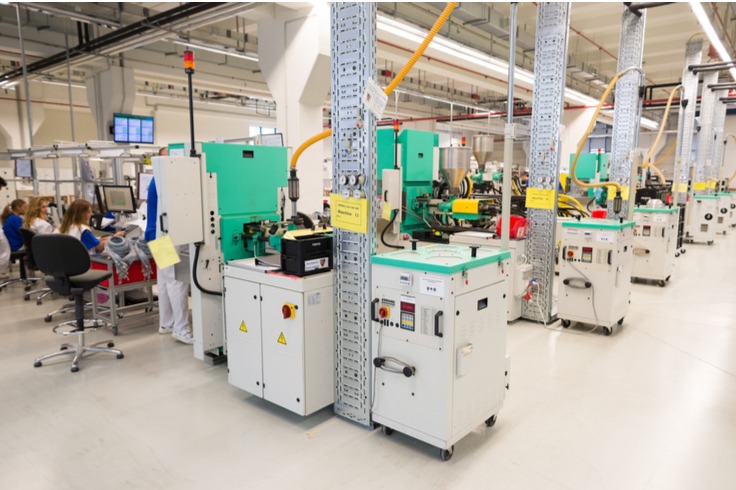
A medical device can depend on dozens of details working together, and the final assembly is where those details have to fit as intended. RevPart supports engineers, product developers, and manufacturers with medical device assembly services that can complement prototyping and production work. By bringing part production and assembly requirements into the same project conversation, teams can identify fit, material, tolerance, and joining requirements earlier and make more informed manufacturing decisions.
Every project has different demands. RevPart works with customers to review the parts, quantities, materials, design requirements, and assembly needs that shape the job. The goal is a practical path that supports the product at its current stage while keeping future production needs in view.
What Is Medical Device Assembly?
Medical device assembly is the process of combining individual components into a subassembly or finished product. Those components may include molded plastic or silicone parts, machined pieces, purchased hardware, and other project-specific items. The exact assembly process depends on the device design, materials, geometry, tolerances, and end-use requirements.
Assembly is one part of the larger medical device manufacturing process. A design that looks straightforward on screen can behave differently once parts are produced and brought together. Small changes in wall thickness, mating features, material properties, or dimensional tolerances can affect fit and joining. Reviewing those factors before production helps the team make better choices about how the product should be built.
Medical Device Assembly Capabilities
RevPart can support assembly as part of a broader prototype or manufacturing project. The right approach depends on the components involved and the requirements you provide. Because medical products can vary widely in size, materials, complexity, and intended use, assembly requirements should be reviewed on a project-by-project basis rather than treated as a single standard process.
Design Factors for Medical Device Assembly
Good assembly starts with a design that accounts for how the parts will interact. Component geometry can affect access, alignment, and joining. Material selection can affect flexibility, strength, surface behavior, and compatibility with the intended assembly method. Tight tolerances may be necessary in some areas, while unnecessary precision in others can add cost or complicate production.
Part fragility is another factor. Thin walls, small features, or delicate mating surfaces can be more difficult to handle during assembly. Fasteners, locating features, snap fits, bonding areas, and other connection points should be designed around the forces the parts will see during assembly and use.
Design teams should also consider how parts will be oriented, located, and accessed during assembly. Features that help components sit in the correct position can make the work more predictable. Access around connection points matters as well. If a tool, fixture, or operator cannot reach the intended area without interfering with nearby features, the design may need adjustment before production.
Designing for Manufacturability and Assembly
Prototype work gives engineers an opportunity to evaluate these decisions before committing to a larger run. A physical part can reveal fit issues, interference, handling concerns, or access limitations that are less obvious in CAD. RevPart’s prototyping services can support this review by giving teams parts they can inspect, test, and refine as the design develops.
From Prototype Assembly to Production
Early prototypes can do more than demonstrate appearance. They can help a development team study how components fit, how easily they can be handled, and where an assembly process may need refinement. This can be especially useful for multi-part products in which one component affects the alignment or performance of another.
RevPart supports several rapid prototyping processes as well as low- and higher-volume manufacturing options. That range can help teams evaluate a design with prototype parts, make revisions, and then select a suitable production method as requirements become more defined. The best path depends on the material, geometry, quantity, and performance needs of the individual project.
Planning the Assembly Process for Scale
Quality Considerations for Medical Device Assembly
Medical device projects often come with detailed quality expectations. Those expectations can affect component tolerances, material requirements, inspection criteria, documentation, and assembly decisions. Customers should provide the quality standards and project specifications that apply so the team can review the requirements before work begins.
The medical device industry covers products with very different functions and risk profiles, so quality standards cannot be assumed to be identical for every job. A clear project specification gives the manufacturing team a practical reference for what must be checked, documented, or controlled. This also helps keep medical device manufacturing decisions tied to the actual requirements supplied by the customer.
Repeatable component production is an important part of reliable assembly. Parts that vary outside the required dimensions may create fit issues or place unwanted stress on mating components. Material compatibility and the selected joining approach can also affect the finished assembly. Defining critical dimensions and inspection requirements early helps the manufacturing team know what to watch during production.
Inspection and Documentation Requirements
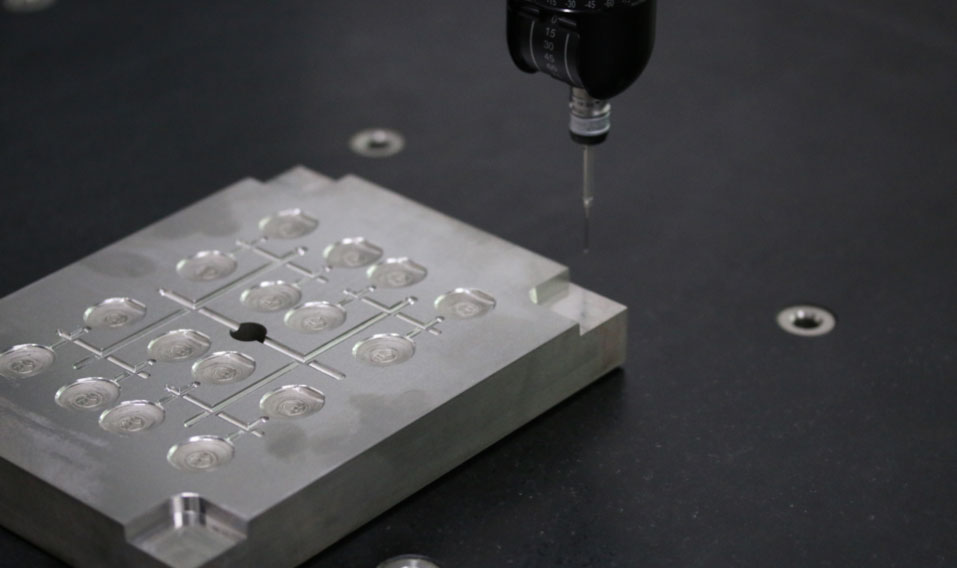
Inspection and documentation needs should be established according to the project. RevPart uses first article inspection as part of its molding process, and customers can provide critical dimensions and other requirements that need to be reviewed. For this type of assembly work, any additional inspection, documentation, traceability, or quality requirements should be discussed during quoting so the scope is defined before production.
Common Medical Device Assembly Challenges
Assembly can expose design and production issues that are easy to miss when components are evaluated separately. Tight mating tolerances can make parts difficult to assemble. Delicate features can be damaged by handling or excessive force. Differences in material behavior can affect fit, and contamination concerns may influence how components need to be handled for a particular application.
Bonding and joining requirements can create their own challenges. Connection points need enough access for the intended process, and the surrounding geometry must support the forces involved. A design review paired with physical prototyping can help identify these concerns before they become larger production problems.
Component sourcing and revision control can also affect the work. If one part changes, the mating part or assembly sequence may need to change with it. Keeping drawings, revisions, and project requirements aligned gives everyone a better reference point when a prototype is updated or a project moves into the next stage of medical device manufacturing.
Reducing Risk Through Early Review
The most useful time to address an assembly challenge is before it’s built into a larger production run. Reviewing CAD files, component relationships, material choices, tolerances, and expected quantities early gives the project team more room to adjust the design or manufacturing approach. Prototype assemblies can then provide practical feedback about fit and function before the design moves forward.
Why Work With RevPart for Medical Device Assembly?
RevPart works with engineers and product developers across the product development cycle. Its services include 3D printing, CNC machining, urethane casting, plastic injection molding, silicone molding, and production molding. That mix of capabilities gives customers several options for producing components as a design moves through prototype and production stages.
For medical device assembly projects, that broader manufacturing background can make it easier to discuss the relationship between component design and final assembly. Instead of treating the assembly as an isolated step, the project can be reviewed in the context of how the individual parts will be produced, inspected, and brought together.
That project-wide view can be valuable when engineering decisions are still being refined. Customers can discuss prototype goals, expected production quantities, component manufacturing needs, and assembly requirements with the same supplier. This helps keep the conversation focused on the practical steps needed to move a design forward while meeting the quality standards defined for the job.
Medical Device Assembly FAQs
Assembly requirements are reviewed by project. RevPart can work with customers to evaluate components and determine how the requested assembly fits with its available manufacturing and value-added services. Send the component files, materials, quantities, and assembly details for a project-specific review.
The appropriate method depends on the materials, geometry, connection points, performance requirements, and other design details. Include the requested joining method or functional requirements with your project information so the RevPart team can determine how the assembly request fits with its available services.
Provide your CAD files or drawings, expected quantities, material information, component list, critical dimensions, and assembly requirements. Include any quality standards, inspection criteria, or handling needs that are specific to the project. The more complete the project information is, the easier it is for RevPart to review scope and identify questions before quoting.
Quality requirements are based on the needs of the individual project. Share applicable specifications, inspection expectations, documentation needs, and other quality standards when requesting a quote. RevPart can then review those requirements against the proposed manufacturing and assembly scope before the project moves forward.
Yes. RevPart offers rapid prototyping services along with low-volume and production manufacturing options. The specific manufacturing and assembly approach will depend on the design, materials, and quantities required. Prototype work can also help evaluate fit and assembly considerations before a project moves into a larger run.
Request a Medical Device Assembly Quote
If your project needs medical device assembly alongside prototyping or production support, send RevPart the details for review. Upload your drawings or CAD files and include the expected quantities, materials, component information, critical requirements, and assembly needs. The team can review the project and help identify the next manufacturing step.
The appropriate method depends on the materials, geometry, connection points, performance requirements, and other design details. Include the requested joining method or functional requirements with your project information so the RevPart team can determine how the assembly request fits with its available services.