
Overmolding Services
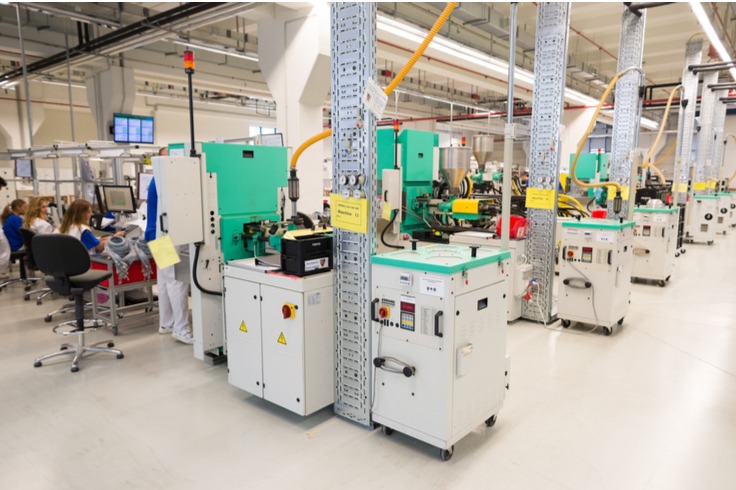
Overmolding can help engineers combine materials and functions within a single molded component. RevPart provides overmolding services for product teams that need support with prototype parts, production planning, and plastic injection molding. The process can be useful when a design calls for a rigid substrate with a second molded material added in selected areas.
Successful overmolding starts with the details of the part. Material compatibility, substrate geometry, wall thickness, bonding areas, tolerances, tooling, and expected quantities can all affect the approach. RevPart works with customers to review those requirements and determine how an overmolding project fits within its available molding services.
RevPart’s Production Molding Process
Overmolding is a molding process in which an additional material is molded onto or around a substrate to create one finished component. The substrate may be a molded part or another preformed component, depending on the design. The secondary material becomes part of that component during molding.
Plastic injection overmolding is often used when different areas of a part need different material properties. A rigid base may provide structure, while an added material may support grip, cushioning, strain relief, surface protection, or another project-specific function. The exact result depends on the materials and how the two parts of the design interact.
How the Overmolding Process Works
The basic overmolding process begins with the substrate. That component is produced or prepared first, then positioned so the secondary material can be molded around or onto the intended area. The mold controls the final geometry of the overmold layer, and the finished component is evaluated against the project requirements.
The exact process varies by part. The substrate must remain positioned correctly as the secondary material flows into the mold. Shutoffs, retention features, wall thickness, and material flow can all affect manufacturability. The design may also rely on chemical bonding, mechanical retention, or a combination of the two.
Overmolding Materials and Material Compatibility
Material selection is one of the most important decisions in an overmolding project. The substrate and overmold material need to support the part’s functional requirements while also working together during molding. Engineers should consider stiffness, flexibility, grip, temperature exposure, chemical exposure, wear, and the type of bond the design requires.
Common industry combinations include a rigid thermoplastic substrate with a softer elastomeric overmold. The right pairing is project specific. Material families can differ in processing behavior and bond performance, so a combination that works for one design may not be appropriate for another.
RevPart offers a broad range of material options through its plastic injection molding services. For an overmolding project, customers should provide material preferences, performance needs, and any known compatibility requirements so the proposed materials can be reviewed in the context of the part design.
Overmolding Design Guidelines
Good overmolding solutions begin with a substrate and overmold interface that can be molded predictably. Wall thickness, draft, part geometry, tolerances, shutoff areas, and retention features can all affect the finished component. The design also needs enough room for the overmold material to flow into the intended areas without interfering with nearby features.
Mechanical retention features may help hold the overmold in place when the design calls for them. Undercuts, holes, grooves, or other geometry can create a physical connection between materials, but these features need to be considered along with mold design and part release. Bonding requirements should be reviewed early because they can influence both material selection and geometry.
Prototype evaluation can help reveal fit, handling, and interface issues that are less obvious in CAD. Reviewing these factors before a larger production run gives the team more opportunity to refine the part and the molding approach.
Critical surfaces and dimensions should also be identified before tooling decisions are finalized, especially where fit, grip, or another functional feature depends on them.
Overmolding Tooling Considerations
Overmolding tooling has to account for both the substrate and the secondary molded material. The tool must hold the substrate in the correct position while controlling the shape and flow of the overmold. Parting lines, shutoffs, gates, retention, ejection, and access around the substrate can all influence the tooling approach.
Tooling decisions also depend on expected quantities and the stage of the project. A prototype program may have different priorities than a production program. Cost, lead time, repeatability, expected tool life, and the likelihood of design revisions should be discussed when the project is quoted.
Benefits and Applications of Overmolding
Engineers use overmolding when combining materials can add useful features to a part. Depending on the design, an overmold may provide a softer touch surface, improve grip, add cushioning, protect selected areas, provide strain relief, or reduce the need to attach a separate component later.
These benefits make overmolding useful across many product categories. Consumer products may use soft-touch surfaces or grip areas. Electronics may use overmolded features around selected interfaces or cables. Industrial products can use molded grip or protective areas. Automotive and medical product designs may also use overmolding when the selected materials and design requirements support the application.
The value of overmolding depends on the design, materials, bonding requirements, and intended function of the finished component.
Overmolding vs. Insert Molding
Overmolding and insert molding both combine a molded material with another component, but the design goal is different. Overmolding adds a molded layer or feature onto a substrate. Insert molding places a preformed insert or component in the mold so plastic can be molded around it.
The better process depends on the part. Engineers should consider the materials being combined, the function of the secondary component, required geometry, production quantities, and how the finished part will be used. When comparing the two approaches, the key question is how the design needs the molded material and the substrate or insert to work together.
Prototype and Production Overmolding
Prototypes can help a team evaluate an overmolded design before committing to a larger run. These parts can be used to review fit, feel, geometry, bonding behavior, and manufacturability. Findings may then lead to changes in material selection, interface geometry, tooling, or other design details.
RevPart supports prototype injection molding as well as production-volume molding. Its prototype injection molding service does not require a minimum quantity or volume commitment, which can give product teams more flexibility as they evaluate overmolded designs. The requirements of each overmolding project still need to be reviewed individually because part geometry, material compatibility, tooling, and quantity can affect the manufacturing approach.
As the design moves toward production, tooling, quantities, and changes made during prototyping can be reviewed again against production needs.
Why Work With RevPart for Overmolding Services?
RevPart works with engineers and product teams across several stages of product development. Its services include plastic injection molding, 3D printing, CNC machining, urethane casting, silicone molding, and production molding. That broader manufacturing background can be useful when an overmolding project also involves prototype parts, substrate development, design revisions, or production planning.
When comparing overmolding companies, it’s useful to look beyond the final molding step. Material choices, component geometry, quantities, tooling, and the surrounding manufacturing process all affect the project. RevPart can review those requirements within the context of its available services and help customers identify a practical next step for the part.
Overmolding FAQs
A substrate is produced or prepared first and positioned in the mold. A secondary material is then molded onto or around the specified area. The details depend on the part geometry, materials, bonding requirements, tooling, and expected quantities.
Overmolding can use several material combinations. A common industry approach pairs a rigid thermoplastic substrate with a softer elastomeric material. The right choice depends on required stiffness, flexibility, grip, environmental exposure, wear, and bonding behavior.
Start with the functional requirements of the part, then evaluate how the material pair behaves during molding and in the finished application. Chemical compatibility, processing temperatures, surface behavior, mechanical retention, and the desired bond all need to be considered.
Overmolding adds molded material onto a substrate to create a multi-material component. Insert molding places a separate insert in the mold and forms plastic around it. The part design and function determine which approach is more appropriate.
Provide CAD files or drawings, expected quantities, substrate details, material preferences or requirements, critical dimensions, and functional needs. Include any known bonding, surface, inspection, or performance requirements that could affect the molding approach.
RevPart supports prototype injection molding and production-volume molding. Its overmolding services are reviewed by project, with the specific approach depending on the design, material combination, tooling needs, and quantity required.
Request an
Overmolding Quote
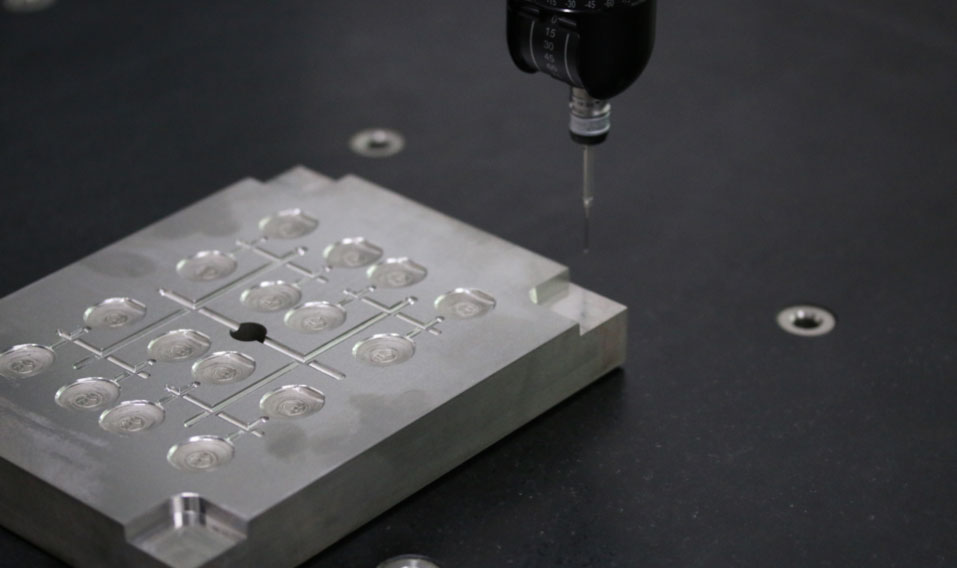
If your project needs overmolding services, send RevPart the details for review. Upload your CAD files or drawings and include expected quantities, substrate information, material requirements, critical dimensions, and functional needs. The team can review the project within the scope of RevPart’s available molding services and help identify the next manufacturing step.