
Two-Shot Molding for Multi-Material Plastic Parts
Two-shot molding combines two materials, colors or material properties into a single molded component through sequential injection stages. Also called two-shot injection molding, double shot molding or 2K molding, the process can eliminate assembly steps while creating parts with integrated grips, seals, buttons, contrasting colors and other functional features.
RevPart provides two-shot molding capabilities, including rotating-platen molding, as part of our broader plastic injection molding services. We work with engineers, product developers and entrepreneurs to determine whether two-shot molding makes sense for a design and how the part can move efficiently from development toward production.
Why Choose Two-Shot Molding?
Traditional injection molding typically fills a mold cavity with one polymer to produce a single-material part. Creating a multi-material component may then require additional molding, bonding, fastening or assembly operations.
Two-shot molding incorporates the second material during the molding cycle. This can reduce the number of individual components and eliminate secondary assembly steps such as adhesive bonding or mechanical fastening. With the right application and production volume, those efficiencies can lower labor requirements and per-part manufacturing costs.
The process also gives designers more freedom to incorporate different properties into one component. A rigid substrate might be paired with a softer material for grip, cushioning or sealing. Different colors can be molded into a component without painting, and separate surface textures can help distinguish functional zones or improve ergonomics.
Applications are found across automotive components, consumer electronics, medical devices, hand tools, sporting goods and other products where multiple material properties need to work together in one finished part.
How Does the Two-Shot Molding Process Work?
Two-shot molding uses two different materials during one automated molding sequence. The first material is injected into the initial cavity and forms the substrate. The mold or molded substrate is then repositioned so a second injection unit can apply another material in the required area.
The exact configuration depends on the machine and mold. Rotary platens, indexing systems and other transfer methods may be used to reposition the first shot before the second material is injected.
Because both shots must align correctly, two-shot molds are typically more complex than conventional single-material injection molds. Tool design, machine configuration, processing conditions and material behavior all need to be considered early in the project.
First Material Injection
The first material usually establishes the structural portion of the part. Its geometry must support both the finished component and the second molding stage.
Temperature, injection pressure, packing, cooling and other processing conditions must be controlled so the substrate remains dimensionally stable while maintaining the surface conditions needed for the second shot. Processing parameters should be documented so they can be reproduced as the project moves from testing into production.
Second Material Injection
After the first shot reaches the appropriate stage of the cycle, the substrate is moved into position for the second material injection. A separate injection unit fills the remaining cavity or defined portion of the part.
Shot volume, pressure, temperature and timing all affect the final result. The second material must fill its intended geometry without creating excessive flash, damaging the substrate or compromising the interface between materials.
When chemical bonding is part of the design, the temperature and condition of the first material at the time of the second injection can also affect adhesion.
Mold Transfer and Injection Molding Options
A rotating platen can reposition the first shot within the machine before the second material is injected. This creates a highly automated cycle and reduces manual handling between molding stages. RevPart includes two-shot molding with a rotating platen among its injection molding capabilities.
Other processes may transfer a substrate using indexing mechanisms, movable cores or robotic handling. Each approach has different tooling, equipment, cycle-time and part-geometry considerations.
The appropriate configuration depends on factors such as production quantity, part size, mold complexity, material combination and where the second material needs to be placed.
Liquid Silicone Rubber and Two-Shot Strategies
Liquid silicone rubber, or LSR, may be considered for multi-material products that require high flexibility, temperature resistance or specialized sealing properties. Thermoplastic elastomers, or TPEs, are another common option for soft-touch features and flexible sections.
Choosing between LSR, TPE and other elastomeric materials requires more than comparing durometer. Engineers should consider service temperature, chemical exposure, compression behavior, processing requirements and the ability of the chosen materials to bond.
When silicone is under consideration, curing requirements and the processing temperature of the substrate also need to be evaluated. Color specifications and expected appearance should be defined before tooling so both shots can be developed around the finished product requirements.
Material Selection and Compatibility
Material compatibility is one of the most important considerations in multi material injection molding. Two materials that perform well independently will not necessarily form a reliable bond when molded together.
Candidate materials should be selected based on both the performance requirements of the finished part and their ability to work together during molding. Common substrate considerations include strength, stiffness, temperature resistance, dimensional stability and environmental exposure. The second material may be selected for flexibility, grip, impact resistance, sealing or aesthetics.
Supplier compatibility data can provide a starting point, but testing is recommended when bond performance is critical. Processing temperatures also need to be compatible enough that the second shot can be molded without damaging or significantly deforming the first.
Material Bonding and Chemical Compatibility
Some material pairs can form a strong chemical bond during the second molding stage. Others require additional design support.
If chemical adhesion is limited, features such as holes, undercuts, grooves or other mechanical interlocks can help physically retain the second material. The best approach depends on geometry, material properties and how the finished product will be loaded during use.
Testing should reflect the actual application. Bond strength, temperature cycling, chemical exposure, moisture and repeated mechanical loading may all be relevant when evaluating long-term performance.
Design Guidelines for the Final Product
Good two-shot molding starts with a design created around the molding process. Uniform wall thickness can promote more consistent filling and cooling, while gradual transitions and generous radii help reduce stress concentrations.
Both materials need adequate draft so the completed component can release from the mold. Designers also need to consider the interface where the materials meet, including shutoffs, potential flash areas and how the second material will flow through the cavity.
Material shrinkage should be considered for both shots. Differences in shrink rate can affect dimensions, warpage and the final interface between the materials.
Consumer Electronics Design Considerations
Two-shot molding is commonly used in consumer electronics to integrate grips, buttons, protective surfaces and contrasting design elements into an enclosure.
Designers need to identify sensitive areas before tooling begins. PCB locations, connectors and enclosure tolerances can affect how the molded component is designed and assembled. Tactile zones should also be defined according to how the user will interact with the product.
When electronics require EMI shielding or other secondary components, those requirements should be included in the overall enclosure and tolerance strategy rather than considered after molding.
From Prototype to Two-Shot Production
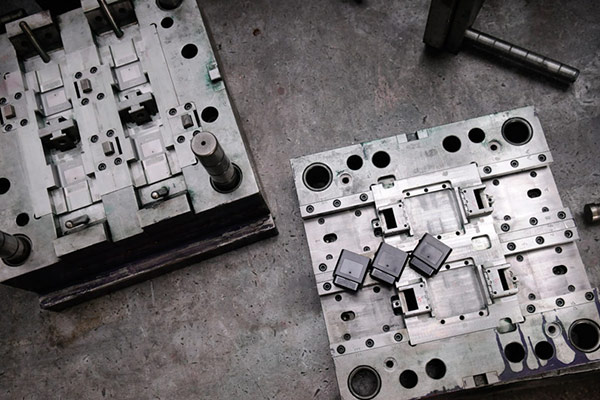
The final two-shot process may require specialized tooling, but that does not mean every early prototype has to be made with production-style two-shot molds.
Early designs can be evaluated with 3D printing to confirm overall size, fit and geometry. This can help identify obvious design problems before significant tooling investment.
As the design matures, prototype tooling and functional samples can be used to evaluate materials, interfaces and real-world performance. Material-pair testing is particularly valuable when the success of the final product depends on bonding between the first and second shots.
Findings from testing can then guide tooling revisions before the project advances to larger production quantities.
Two-Shot Molding Cost Considerations
Two-shot molds generally require a larger initial tooling investment than comparable single-shot molds because the tool must support multiple injection stages and accurate alignment between the shots.
That higher upfront cost does not tell the whole story. A two-shot part may eliminate a second component, adhesives, fasteners, manual handling and separate assembly operations. At sufficient production quantities, those savings can offset the added tooling and equipment requirements.
The economic breakpoint varies by project. Part geometry, mold complexity, material prices, production quantity, cycle time and the amount of assembly eliminated should all be evaluated when comparing manufacturing options.
For lower-volume programs, another process may sometimes deliver the required functionality with a lower initial investment. RevPart can evaluate the complete project rather than recommending two-shot molding based on quantity alone.
Process Control, Testing and Troubleshooting
Consistent two-shot injection molding depends on controlling both molding stages. Material temperature, injection pressure, shot size, cooling time and mold position are among the parameters that may need to be monitored throughout production.
Quality requirements should be defined before testing begins. Depending on the application, inspection may include dimensional measurements, visual inspection of the material interface, bond testing, leak testing or functional testing.
Potential defects include incomplete filling, flash, warpage, poor bonding, material separation and misalignment between shots. Documenting both defects and corrective process changes makes it easier to establish a repeatable production window.
Two-Shot Molding vs. Overmolding
Two-shot molding vs overmolding is often a question of production strategy rather than simply part geometry. Both processes can combine multiple materials in one finished component, but they do so differently.
Two-shot molding performs the molding stages as part of an integrated sequence using specialized tooling and equipment. That automation can reduce handling and secondary labor, making the process increasingly attractive as production quantities rise.
Overmolding can often use standard injection molding equipment and separate tools. A substrate is molded first and then placed into another mold for the overmolding operation. This approach may involve more handling but can reduce the initial investment for prototypes and some lower-volume applications.
Neither process is automatically better. Tooling budget, expected lifetime volume, material requirements, geometry, desired cycle time and assembly savings all affect which method makes the most sense.
Scope Your Two-Shot Molding Project with RevPart
A successful two-shot molding project starts with a clear understanding of the part, its materials and its performance requirements.
Send RevPart your 3D CAD files along with information about anticipated quantities, material preferences, operating conditions, color or texture requirements and any critical dimensions. If you have not selected the final resin combination or manufacturing approach, our team can help evaluate the available options.
RevPart supports projects from prototype and design validation through short-run and production injection molding. Upload your design to request a quote and find out whether two-shot molding is the right process for your next multi-material part.